
Ravin Crossbow Maintenance Guide for Beginners
Good Ravin maintenance is not about guessing, over-lubing, or waxing everything. It is about safe inspections, proper serving care, approved components, correct storage, and knowing when to stop shooting.
- ✓Learn the beginner maintenance checks that matter most.
- ✓Understand why Ravin recommends serving fluid instead of wax.
- ✓Protect safety, accuracy, and long-term performance.
Table of Contents
Why Ravin Maintenance Matters Start With Your Ravin Manual Safety Before Maintenance Pre-Shoot Inspection Checklist Ravin Serving Fluid vs Wax String, Cable, and Center Serving Care Arrow and Nock Inspection Cam Timing Basics Scope and Mount Maintenance Storage and Transport Maintenance Schedule Recommended Accessories Common Mistakes Supporting Articles FAQsWhy Ravin Crossbow Maintenance Matters
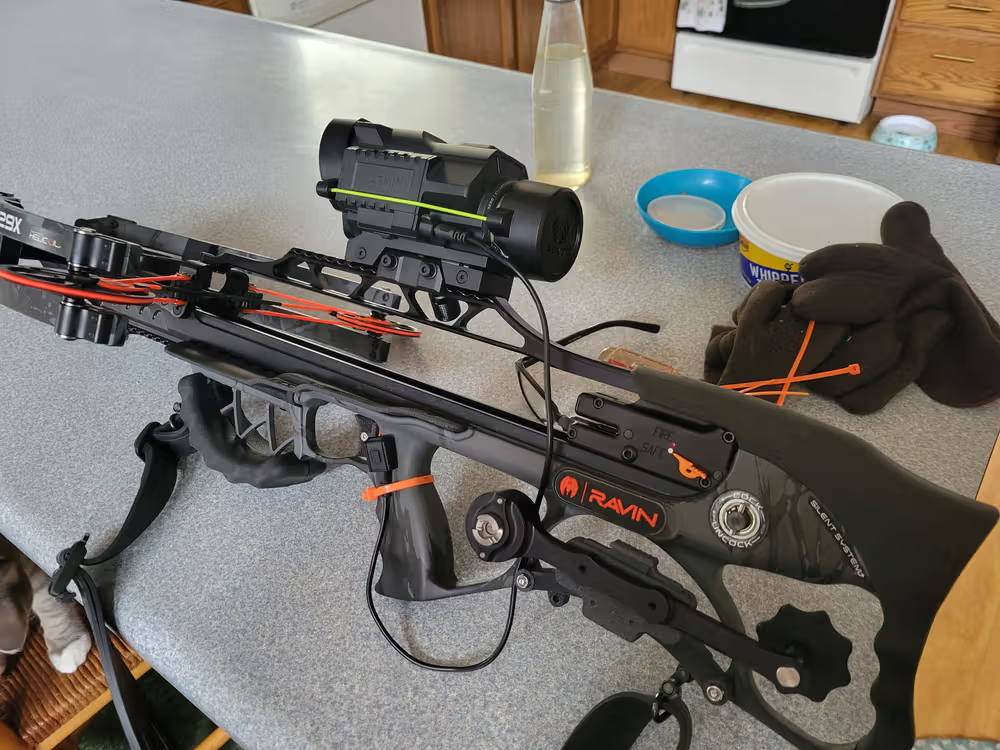 A Ravin crossbow is a precision hunting and target shooting tool. It is compact, powerful, and built around tight tolerances. That is what makes it accurate, but it also means beginners should take maintenance seriously from day one.
Many new owners think maintenance means wiping off dirt and adding some oil or wax. With a Ravin, that mindset can create problems. Ravin maintenance is more about inspection, approved components, correct serving care, and avoiding products that do not belong on the crossbow.
This guide is written for complete beginners. The goal is to help you build a simple maintenance routine without turning the process into a technical workshop project.
Start With Your Ravin Owner’s Manual
Before you service, inspect, load, unload, cock, uncock, or shoot your Ravin, read the owner’s manual for your exact model.
This matters because Ravin models can differ in scope speed, broadhead restrictions, cocking systems, included parts, and service procedures.
For example, the Ravin R5X and R10X manual includes detailed sections for parts, general safety, setup, arrows, nocks, trigger safety, cocking, loading, shooting, scope adjustment, maintenance, string replacement, hunting safety, and nock replacement.
Safety Before Any Maintenance
Before you inspect or maintain your Ravin, make the crossbow safe.
- Always keep the crossbow pointed in a safe direction.
- Keep your finger off the trigger until ready to shoot.
- Keep hands and fingers out of the bowstring path.
- Unload and uncock before performing maintenance.
- Wear safety glasses when handling, loading, unloading, shooting, or servicing.
- Do not remove, modify, or deactivate safety features.
- Do not use non-Ravin components where Ravin requires genuine Ravin parts.
Pre-Shoot Ravin Inspection Checklist
The easiest maintenance habit is a quick inspection before every shooting session.
1. Inspect the String and Cables
Look for fraying, separation, worn serving, flat spots, cuts, or anything that looks uneven.
2. Inspect the Center Serving
If the center serving is worn, damaged, or separated, stop shooting. Do not try to re-serve an old bowstring as a beginner fix.
3. Inspect Arrows and Nocks
Check every arrow before use. Look for cracks, splintering, damaged vanes, damaged nocks, loose inserts, or impact damage.
4. Check Scope and Mounts
Loose scope hardware can cause accuracy problems. Make sure your scope and mounts are secure, but do not over-tighten.
5. Check the Arrow Rest
If the rollers on the arrow rest become damaged or worn, the entire arrow rest must be replaced.
| Part | What To Check | What To Do If Something Looks Wrong |
|---|---|---|
| String and cables | Fraying, separation, damage, wear | Stop shooting and replace with Ravin-approved parts. |
| Center serving | Worn, damaged, or separated serving | Replace string/cables. Do not re-serve old strings. |
| Arrows | Cracks, splinters, damaged vanes, damaged nocks | Discard damaged arrows. |
| Nocks | Cracks, chips, wrong style, poor alignment | Use only approved Ravin Clip-on nocks. |
| Scope mount | Loose screws or shifting | Secure according to manual torque guidance. |
| Arrow rest | Damaged or worn rollers | Replace the entire arrow rest. |
Ravin Serving Fluid vs Wax
Many crossbow owners are used to waxing strings. That advice is common in the broader crossbow world. But Ravin’s guidance is different.
What Ravin Recommends Instead
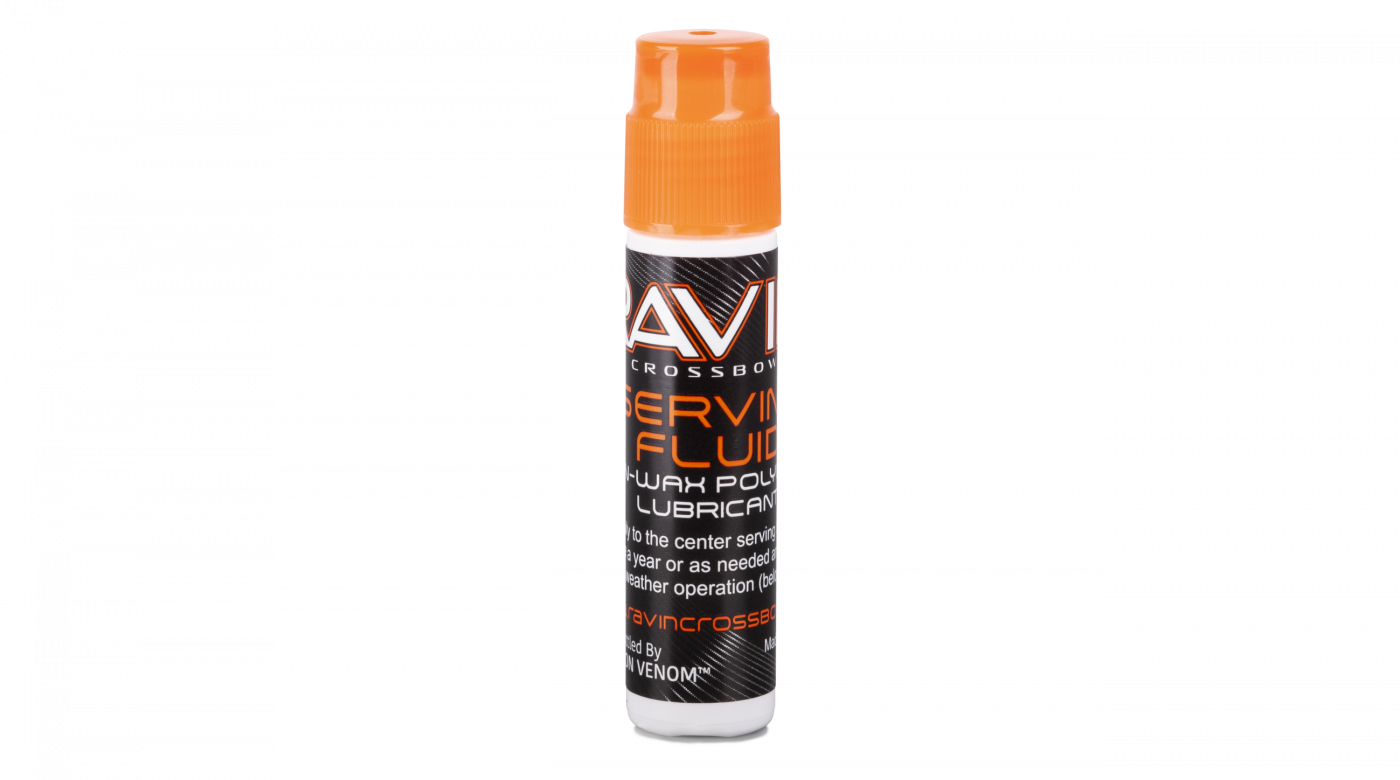
Ravin recommends a non-wax lubricant for serving care. Suitable examples include Ravin Serving Fluid and Scorpion Venom Polymeric Bowstring Fluid.
When To Use Serving Fluid
Ravin guidance points to applying non-wax lubricant along the serving and allowing it to dry. It can be applied once a year and before hunting in cold weather.
String, Cable, and Center Serving Care
String and cable care is one of the most important parts of Ravin maintenance.
If the center serving is worn, damaged, or separated, Ravin guidance points to replacing the string and cables. Do not re-serve old bowstrings.
Replacement Strings and Cables
If your string, cables, or center serving show wear, do not keep shooting. Check genuine Ravin replacement strings and have the work done by a qualified professional.
View Ravin Replacement StringsArrow and Nock Inspection
Arrow and nock maintenance is part of Ravin maintenance because the arrow system directly affects safety.
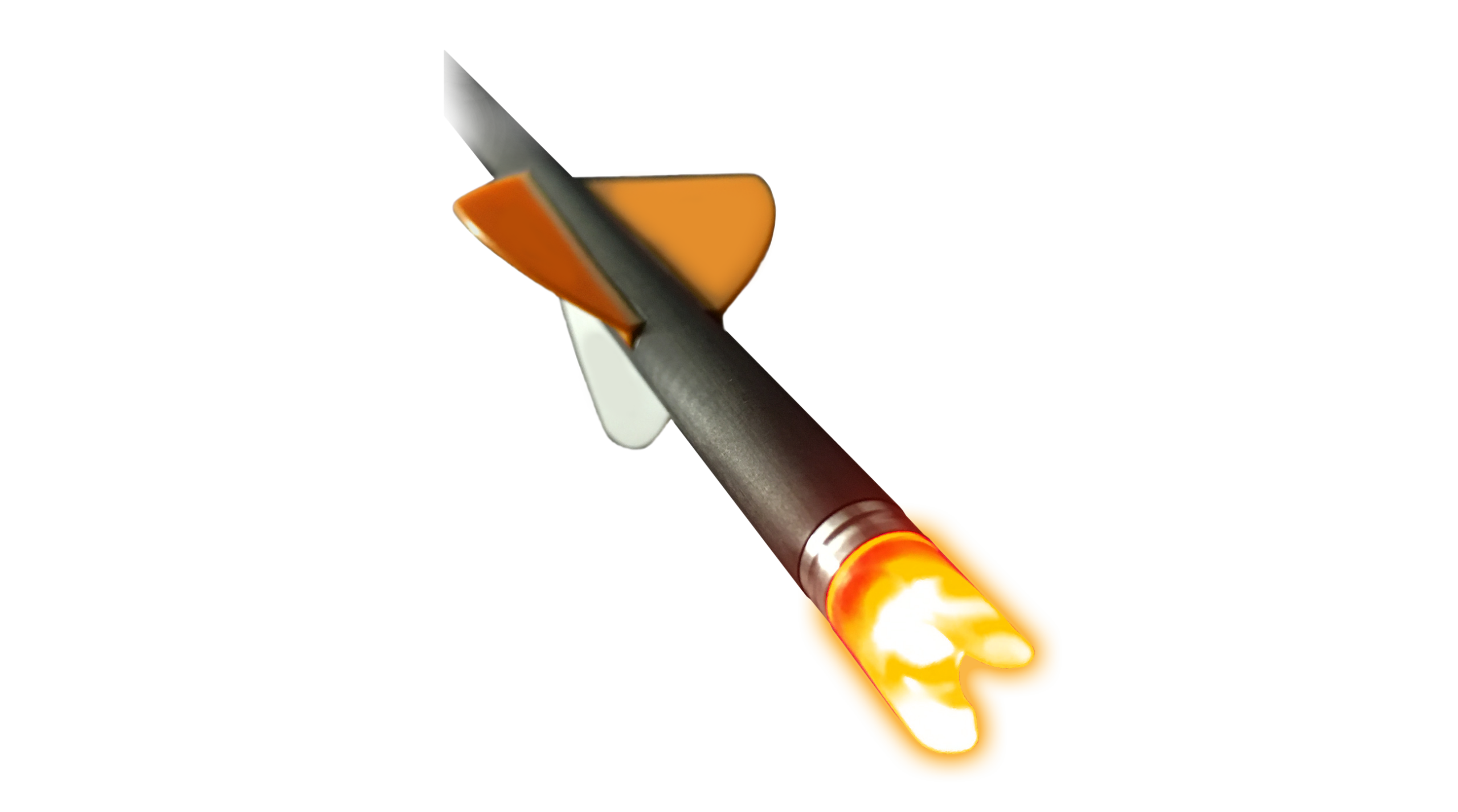
- Use only Ravin arrows recommended for your crossbow.
- Use only approved Ravin Clip-on nocks.
- Do not use flat, half-moon, slotted moon, or universal nocks.
- Do not use arrows lighter than 400 grains including the tip.
- Inspect carbon shafts before every use.
- Discard damaged arrows immediately.
Ravin Arrows and Nocks
Do not treat arrows as a place to save money with random substitutes. Ravin-approved arrows and nocks are part of the safety system.
Ravin Cam Timing Basics
Ravin Helicoil cams include small timing dots. When the crossbow is uncocked and viewed from above, the cable position should align between or over the dots on both cams.
As strings and cables wear, timing can change. If one or both cables move outside the timing dots, the string and cables must be replaced.
Scope and Mount Maintenance
- Keep protective lens covers in place when not in use.
- Clean external lenses with the provided lens cloth or optical lens paper.
- Remove dirt with a soft brush before wiping.
- Do not disassemble or clean the scope internally.
- Store the scope in a dry environment.
- Avoid leaving the scope in hot vehicles.
Ravin Optics and Scope Accessories
If your scope is damaged, fogged, loose, or not holding zero, review Ravin optics and approved setup accessories instead of guessing with random aftermarket parts.
View Ravin OpticsRavin Storage and Transport
A Ravin crossbow should be stored in a locked cabinet or safe, in a cool and dry location. Do not expose it to extreme heat or cold.
- Store unloaded and uncocked.
- Keep it secured away from children and unauthorized users.
- Use a case for transport and protection.
- Avoid damp garages, hot vehicles, and direct sunlight.
- Check local laws before transporting your crossbow.
Do not leave your Ravin cocked for more than 8 hours.
Protect Your Ravin During Storage
A case is one of the simplest accessories for protecting your Ravin from bumps, dust, moisture, and transport damage.
View Ravin CasesSimple Ravin Maintenance Schedule
| When | Maintenance Task | Beginner Notes |
|---|---|---|
| Before every session | Inspect strings, cables, center serving, arrows, nocks, and scope mounts. | Do not shoot if anything looks damaged. |
| After every session | Wipe away dirt and moisture. Check arrows and store safely. | Do not add random oil or wax. |
| Before cold-weather use | Apply Ravin-approved non-wax lubricant to the center serving. | Especially important below 32°F. |
| Once per year | Apply non-wax serving fluid along the serving and allow it to dry. | Use Ravin Serving Fluid or approved equivalent. |
| Before hunting season | Full inspection, confirm zero, inspect arrows, check storage gear. | Do this before opening week. |
| Every 2 years or 400 shots | Replace strings and cables. | Whichever comes first, or sooner if wear is visible. |
Recommended Ravin Maintenance Accessories
Ravin Serving Fluid
Primary product for serving care and cold-weather maintenance.
Safety Glasses
Important for handling, shooting, loading, unloading, and servicing.
Microfiber Cloths
Useful for wiping moisture, dust, lenses, and exterior surfaces.
Ravin Arrows and Nocks
Approved arrows and nocks are part of the safety system.
Protective Case
Helps protect the crossbow during storage and transport.
Replacement Strings
Needed every 2 years or 400 shots, or sooner if damaged.
Best Beginner Maintenance Starting Point
Start with Ravin Serving Fluid, safety glasses, microfiber cloths, approved arrows/nocks, and a protective case.
View Ravin AccessoriesCommon Ravin Maintenance Mistakes Beginners Make
1. Waxing the String
Ravin guidance warns against wax buildup on the bowstring and center serving.
2. Lubricating the Trigger
Do not lubricate internal trigger components.
3. Using Non-Ravin Arrows
Wrong arrows or nocks can interfere with the anti-dry fire system.
4. Ignoring Center Serving Wear
Worn serving can prevent proper nock engagement.
5. Re-Serving Old Strings
Replace string and cables when serving is worn.
6. Leaving It Cocked Too Long
Do not keep a Ravin cocked for more than 8 hours.
Supporting Maintenance Articles
Frequently Asked Questions
Should I wax my Ravin crossbow string?
No. For R5X/R10X-style guidance, Ravin warns not to wax the bowstring or center serving.
What should I use instead of wax?
Use Ravin Serving Fluid or another suitable non-wax lubricant recommended by Ravin.
How often should Ravin strings and cables be replaced?
Replace strings and cables every 2 years or 400 shots, whichever comes first, or sooner if wear is visible.
Can I re-serve an old Ravin bowstring?
No. If the center serving is worn, damaged, or separated, replace the string and cables.
How long can I leave a Ravin crossbow cocked?
Do not keep your Ravin cocked for more than 8 hours.
Conclusion
The smartest Ravin maintenance habit is simple: inspect before every session, avoid wax, use approved serving fluid, shoot approved arrows, and replace strings before they become unsafe.
 Download The Free Ravin Owner Maintenance Pack